



Organizational Management Explained
Original price was: $99.00.$45.00Current price is: $45.00.
How to run and improve any organization, explained strategy by strategy across 359 pages of usable knowledge.
- Explore Modern Management Strategies
- Strategic Planning, PM & HR Management, Operations and Quality Management
- Value Stream Mapping, SMART Goals, SWOT Analysis and more
AboutOrganizational Management Explained
Whether you’re a seasoned manager, an aspiring leader, or a business student, Organizational Management Explained provides you with the tools and knowledge necessary to excel in the ever-evolving world of organizational management.
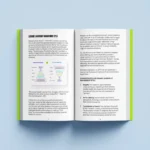
Organizational Management Explained is an essential resource for understanding the intricacies of managing modern organizations. This comprehensive guide offers insights into various organizational structures and management styles, crucial for today’s dynamic business landscape.
Spanning a wide range of topics, this e-book covers everything from organizational structures, such as hierarchical and matrix setups, to project management methodologies like Agile and Scrum.
It delves into the nuances of human resource management, exploring innovative recruitment strategies, effective onboarding processes, and impactful leadership techniques. Additionally, the book addresses crucial aspects of risk management and change management, preparing you to navigate the complexities of organizational transformations.
Table of contents
Part 1:
- Foundations of Organizational Management
- What is Organizational Management?
- Why Organizational Management Matters
- Key Features of Effective Organizational Management
- Organizational Theory: Classical, Neoclassical, Modern
- Structures and Design: Centralized vs Decentralized; Common structures (Hierarchical, Flat, Matrix, Network, Divisional, Team-based, Project-based)
Part 2:Leadership and Management Styles
- Leadership vs Management: What’s the Difference?
- Core Leadership Traits and Competencies
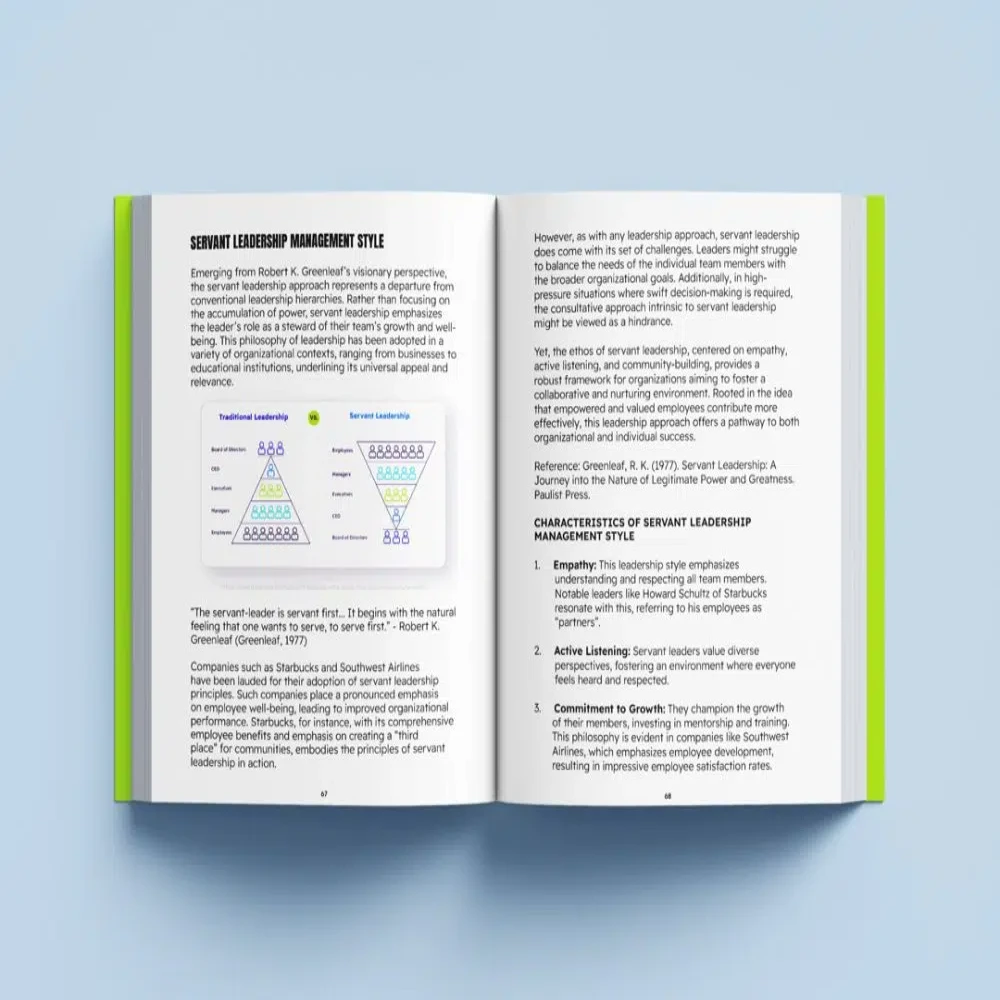
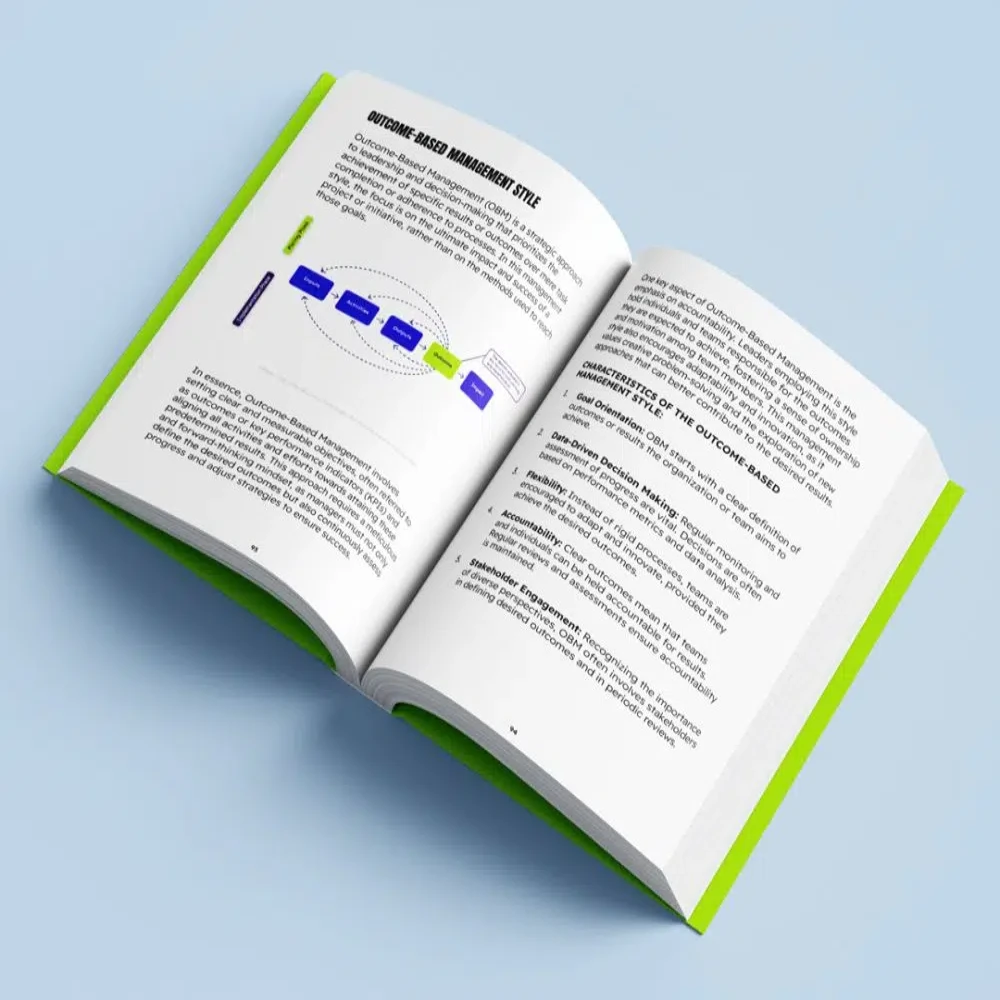
- Management Styles: Autocratic, Democratic, Transformational, Transactional, Laissez-Faire, Servant Leadership, Paternalistic, Bureaucratic, Charismatic, Collaborative, Agile, Cross-Functional, Outcome-Based, Participative, Ethical, Coaching
- Contingency Theories: Adapting Style to Situation
- Emotional Intelligence in Leadership
Part 3:Strategy and Planning
- Vision, Mission, and Values
- SMART Goals
- SWOT and PESTLE: Internal vs External Analysis
- Competitive Analysis and Porter’s Generic Strategies
- Blue Ocean Strategy: Creating Uncontested Space
- Growth Strategies: Market Penetration, Development, Diversification
Part 4:Talent and HR Systems
- Talent Acquisition and Recruitment
- Inbound Recruitment: Story-Led JDs, Employer Branding, Interactive Campaigns, Advocacy/Referrals, Content Marketing
- Outbound Recruitment: Headhunting, Agencies, Fairs and Networking
- Interview Tactics: Behavioral, Situational, Technical, Competency-Based, STAR, Stress, Structured; Logistics and Prep
- Onboarding and Orientation: Experience Design, Journey Structure, Personalization, Remote Playbooks, Measuring Effectiveness
Part 5:Projects and Products
- Project Management Principles
- Project Life Cycle: Initiation, Planning, Execution, Monitoring and Control, Closure
- Project Methodologies: Agile, Scrum, Waterfall, Kanban, Extreme Programming, Lean, Critical Path Method, PRINCE2, Rapid Application Development
- Choosing the Right Methodology
- Five Project Tools to Consider
- Product Manager vs Product Owner
- Product Development Life Cycle: Concept, Planning, Development, Testing, Launch, Evaluation
- Outcome-Driven Innovation, Lean Product Development, Agile Product Management
Part 6:Operations, Value Streams, and Supply Chain
- Value Stream Management: Symbols (Process, Material, Information), Why VSM, VSM vs Six Sigma, Lean Integration, Aligning to Goals, VSM Office
- Operations and Quality: What is Quality, QA vs QC, Efficiency vs Effectiveness, Forecasting
- Theory of Constraints: Five Focusing Steps, Drum-Buffer-Rope, T/I/OE, Buffer Management
- Managing Goods, Services, and Hybrid Operations
- Operations Strategies: JIT, TQM, BPR, Lean, Six Sigma
- Supply Chain: Design and Planning, Inventory, Logistics and Distribution, Optimization, Supplier Relationships, Scheduling and Control, Warehouse, Transportation
- SCM Strategies: ABC Analysis, DDMRP, VMI, CPFR
Part 7:Change, Negotiation, and Crisis
- Change Management Process: Preparation, Planning, Implementation, Consolidation
- The 7 Rs of Change
- Change Frameworks: Lewin, ADKAR, Kotter, McKinsey 7-S, Bridges, Kübler-Ross, Burke-Litwin
- Resistance and Stakeholder Management; Humanizing Change; Measuring Change Effectiveness
- Negotiations: Preparation and Planning
- Communication in Negotiation: Verbal and Non-Verbal; Active Listening and Questioning
- Negotiation Styles: Distributive, Integrative, Competitive, Collaborative, Avoidant, Compromise
- Conflict: Five Types and How to Address Them; Healthy vs Unhealthy Approaches
- Conflict Resolution Strategies: Collaboration, Compromise, Avoidance, Accommodation, Competition
- Crisis Management: Recovery Crisis vs Risk Management, Phases (Pre-Crisis, Response, Post-Crisis)
- Building a Crisis Strategy: Risk ID and Analysis, Proactive Plans, Resources, Communications, Evaluation and Feedback
- The Three Rs: Readiness, Response, Recovery
Part 8:Innovation and the Future Organization
- Why Innovation Matters
- Types of Innovation: Product, Process, Marketing, Organizational
- Innovation Tools: Innovation Matrix, Growth-Share Matrix
- Disruptive vs Sustaining; Radical vs Incremental; Architectural vs Modular
- Measuring Innovation Success
- Innovation Case Studies: Airbus, Tesla, Netflix
- The Future Organization: Societal Impact, Global Trends, Creativity, Future of Benefits, Leaders in Sustainability
Reviews
There are no reviews yet.